
Last Updated: September 12, 2026
The best high temperature infrared sauna depends on what matters most to you — budget, install simplicity, or brand trust. If you want 170°F without spending a fortune, get the JNH Ensi+. If you want a mainstream, well-documented option, get the Sun Home Equinox. If you don’t want to call an electrician, get the Finnmark FD-2. If brand history matters more than price, look at Sunlighten Amplify.
Most infrared saunas cap out at 140°F — fine for most people, but not what you’d call hot. This best high temperature infrared sauna guide is for anyone who wants the usual infrared benefits but also wants to actually feel it: real high-heat sessions in the 165–170°F range, closer to what a traditional sauna feels like.
Quick heads up: if you’ve seen numbers like 195°F floating around, those are traditional saunas — wood-fired or electric rock heaters — not infrared. 170°F is the real ceiling for infrared right now, not a number we missed.
The Four Picks
| Pick | Model | Type | Max Temp | Price | Circuit | |
|---|---|---|---|---|---|---|
| Budget | JNH Ensi+ | Far Infrared | 170°F | $2,899 | 120V/15A, no electrician | Check Price |
| Mainstream | Sun Home Equinox | Full-Spectrum | 165°F | ~$6,999 | 120V/20A, electrician needed | Check Price |
| No Electrician | Finnmark FD-2 | Full-Spectrum | 170°F | $5,995 | 120V/15A, no electrician | Check Price |
| Brand Name | Sunlighten Amplify | Full-Spectrum | 170°F (ideal conditions) | Inquiry only | Varies by size | View Site |
Worth noting: JNH’s Ensi+ is the only pure far-infrared option here. The other three are full-spectrum, meaning they add near and mid-infrared on top of far-infrared — part of why they cost more. Neither type is objectively better; far-infrared is the simpler, more established technology, while full-spectrum adds wavelengths some buyers specifically want.
Budget Pick: JNH Ensi+
170°F / $2,899
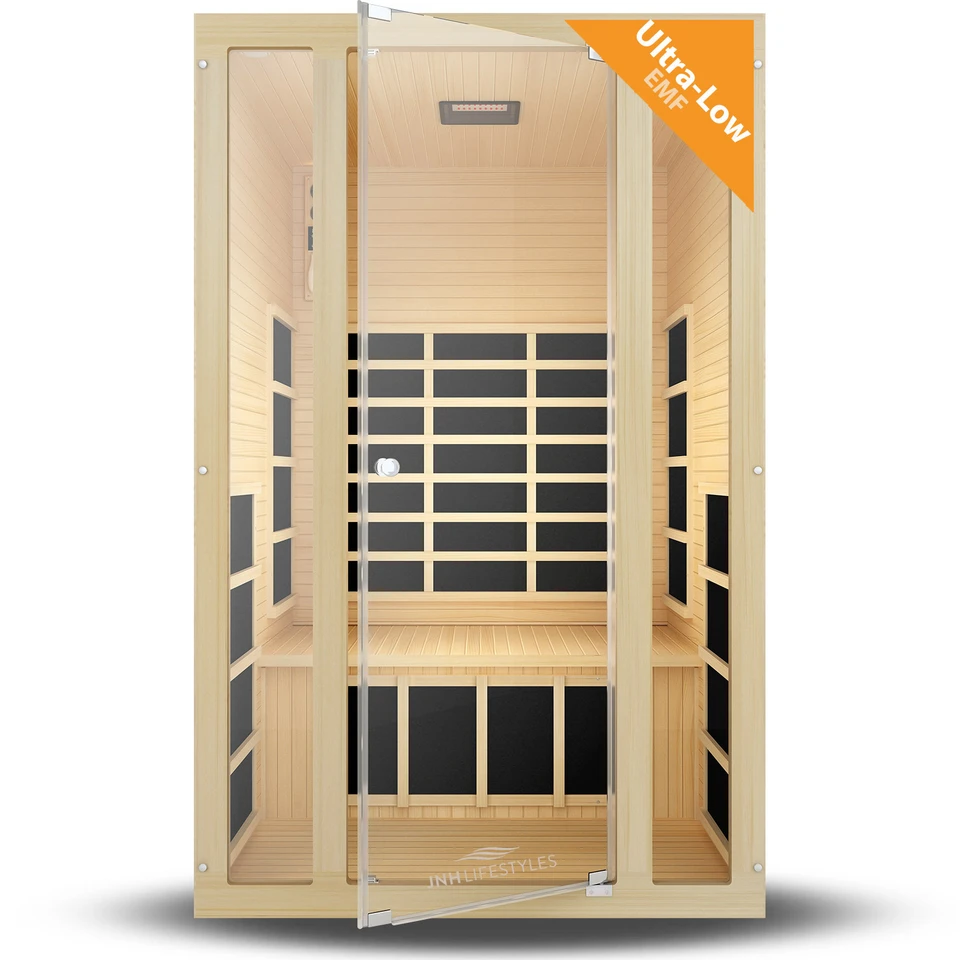
PRL Take: This is the one that makes 170°F actually affordable, and it comes with something the ultra-cheap options usually skip: a real, independently tested EMF number. 0.32 mG from Intertek and Vitatech is a genuine result, not a marketing phrase. The 2-year warranty is still shorter than Sun Home’s 7 years or Finnmark’s lifetime heater coverage, but it’s double what JNH’s own base Joyous+ model offers. If you want 170°F without spending $5,000+, this is the strongest budget pick here.
Mainstream Pick: Sun Home Equinox
165°F / Verified EMF
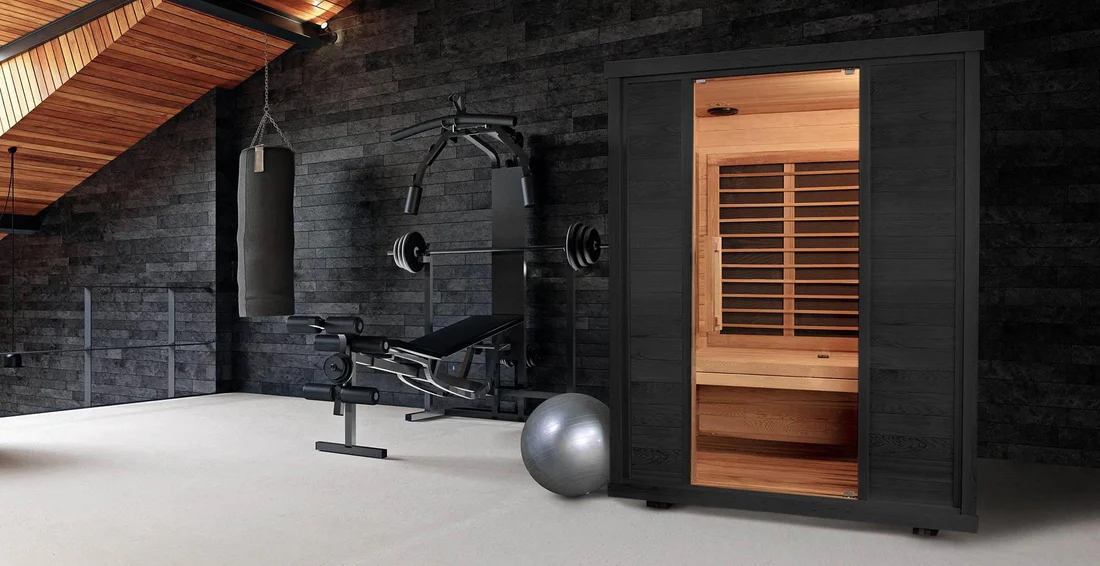
PRL Take: The Equinox isn’t the hottest sauna here — it’s 165°F, not 170°F. What it offers instead is documentation: a real, dated, named-lab EMF report, a full safety-testing page with VOC and adhesive results, and a warranty that’s actually longer than most of this list. If you want the extra 5°F, look elsewhere. If you want the most paperwork behind the claims, this is it.
No-Electrician Pick: Finnmark FD-2
170°F / Standard Outlet
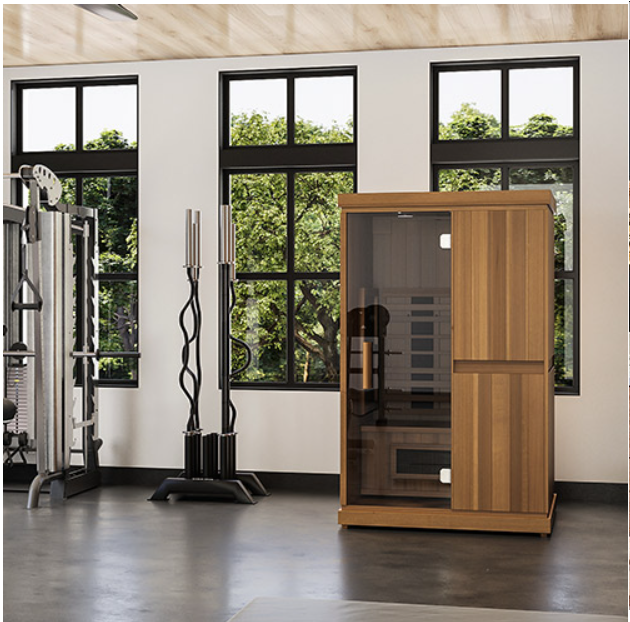
PRL Take: Finnmark reads like a brand run by engineers, not marketers. The tech is genuinely strong — a named third-party EMF test, and a warranty page that specifically calls out “limited lifetime” language as misleading, then backs that up with a real unconditional lifetime warranty on the heaters. But you can’t actually buy an FD-2 directly from Finnmark’s own website — you’re sent to a retailer. For a brand this confident about its engineering, the checkout experience feels unfinished. Worth it anyway: 170°F, standard outlet, no electrician.
Brand Pick: Sunlighten Amplify
170°F (Ideal Conditions)
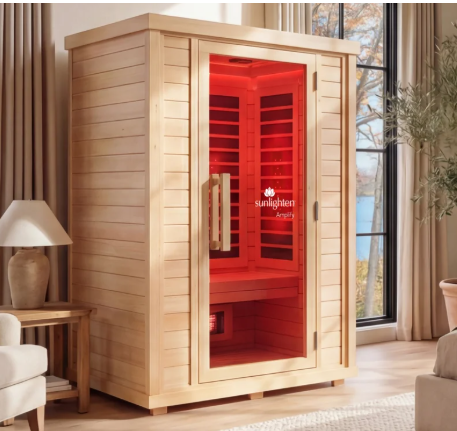
PRL Take: Sunlighten’s 170°F comes with a qualifier — “ideal conditions” — and that phrase does real work. We couldn’t find an independent lab reading confirming a Sunlighten unit actually hitting 170°F in a normal room. Their EMF and VOC testing is genuinely well-documented, which is more than we can say for most brands. But if 170°F specifically is why you’re buying, get the number in writing from Sunlighten before you order, not just the marketing page.
Where the marketing gets ahead of itself: One Sun Home article claims their Equinox reaches “165°F — a temperature no other infrared sauna on the market can match.” That’s not accurate. Both JNH’s Ensi+ and Finnmark’s FD-2 publish 170°F — 5 degrees higher than Sun Home’s own number. It’s a small thing, but it’s a checkable claim, and it’s wrong.
Does the Extra Heat Actually Matter?
A higher max temperature buys you range, not automatically a better session. Most people who own a 170°F-capable sauna still run it around 130–140°F most of the time. The number matters if you’re coming from a traditional sauna and infrared has felt weak so far, if you specifically want a shorter, more intense session, or if you live somewhere cold and want headroom above whatever your actual room temperature knocks off the top. If none of that applies to you, a 140°F model will serve you just as well for a lot less money.
The real reason higher heat appeals to people: it raises your core body temperature faster and further, and most of the reported benefits of sauna use — better circulation, muscle relaxation, that deep post-session calm — are tied to that core temperature rise, not just how hot the air feels around you. This isn’t just theory: a 2026 study in Experimental Physiology found that far-infrared sauna sessions at 65°C (149°F) raised core (rectal) temperature by 1.4°C over 45 minutes — a rise comparable to traditional Finnish sauna. Earlier research at lower infrared temperatures (~45°C/113°F) found no measurable core temperature change at all, whether measured rectally or intestinally (Reed et al., 2025; Atencio et al., 2025). That’s the actual case for chasing the higher end of this range: it’s the difference between a session that reaches your core and one that mostly just heats your skin. See our infrared sauna benefits guide for more on what’s actually backed by research versus what’s just marketing.
One real safety note: higher heat means you sweat more and dehydrate faster. Drink water before, during, and after a session, and if you’re new to high-heat saunas, don’t start at 170°F on day one — work up to it over a few sessions instead of pushing straight to the ceiling. Our infrared sauna side effects guide covers what to watch for if you push too hard, too fast.
Also worth knowing: none of these brands guarantee a fixed time to reach max temperature. How fast a sauna climbs to 165–170°F depends heavily on the room it’s sitting in — a heated indoor space gets there much faster than a cold garage in winter. Sun Home says this outright on its own site: reaching the top of its range “requires a warm room,” and an unheated space will fall short. Budget more preheat time than the marketing page suggests, especially in colder months.
Which One Should You Buy?
| If you want… | Pick | Buy |
|---|---|---|
| 170°F for the least money | JNH Ensi+ | Check Price |
| The most documented EMF and safety data | Sun Home Equinox | Check Price |
| 170°F with zero electrical work | Finnmark FD-2 | Check Price |
| A brand with 25 years of history | Sunlighten Amplify | View on Sunlighten |
Bottom Line
The short version of this best high temperature infrared sauna guide: JNH Ensi+ gets you real 170°F and independently verified low EMF for the least money, Finnmark FD-2 gets you the same heat without an electrician, Sun Home Equinox trades a few degrees for the best documentation, and Sunlighten Amplify is the pick if brand trust matters more than the number itself. All four clear the real bar for “high temperature” — 140°F is where most infrared saunas stop, and these don’t.
FAQ
What counts as a high temperature infrared sauna?
This is the core question behind any best high temperature infrared sauna search: most infrared saunas top out at 140°F. Anything reaching 165–170°F is genuinely in high-heat territory for this category — that’s the real ceiling right now, not a number we’re missing.
Which infrared sauna gets the hottest without needing an electrician?
Finnmark FD-2 and JNH’s Ensi+ both reach 170°F on a standard 120V/15A household outlet. Sun Home Equinox needs a dedicated 20A circuit to hit its 165°F max.
Is a higher max temperature actually better for you?
Not automatically. Most owners of 170°F-capable saunas still run sessions around 130–140°F. The higher ceiling mainly helps if you’re used to hotter traditional saunas, want shorter and more intense sessions, or live somewhere cold enough that ambient temperature eats into your usable range.
What’s the cheapest way to get a 170°F infrared sauna?
JNH’s Ensi+ at $2,899 — less than half the price of the other 170°F options on this list, and it comes with an independently verified Ultra-Low EMF reading (0.32 mG) rather than just a brand claim.
Sources
| Source | Used For | Last Checked |
|---|---|---|
| JNH Ensi+ product page | Price, specs, 170°F claim, EMF test data, warranty terms | September 2026 |
| Sun Home Equinox product page | Price, specs, 165°F max temperature | September 2026 |
| Sun Home EMF/VOC testing page | Named-lab EMF and VOC test results | September 2026 |
| Finnmark FD-2 product page (SaunaKits) | Price, specs, 170°F max temperature | September 2026 |
| Finnmark Designs official site | Warranty terms, heater technology | September 2026 |
| Sunlighten Amplify product page | 170°F “ideal conditions” claim | September 2026 |