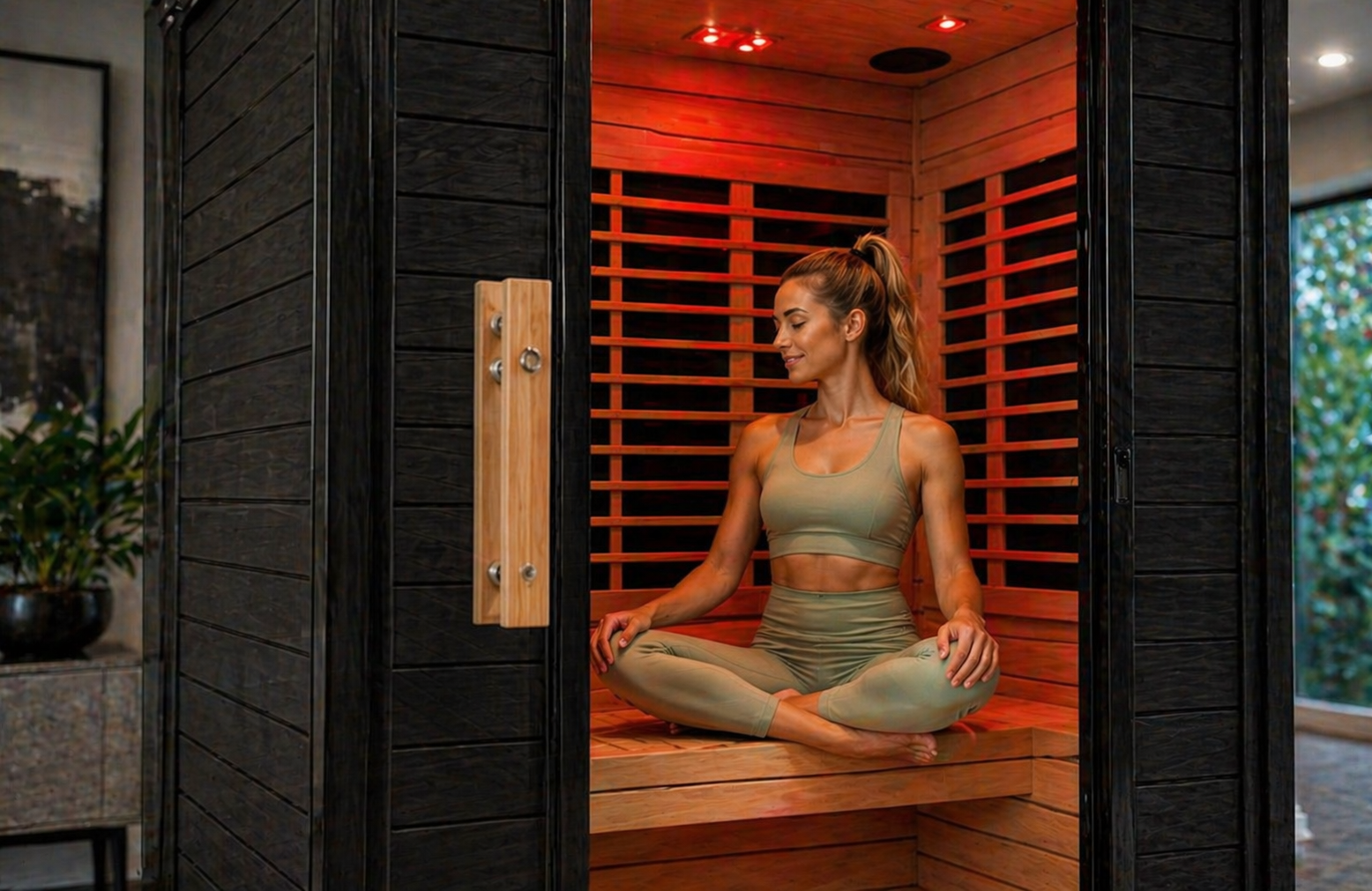
If you’re not sweating in your infrared sauna, it doesn’t necessarily mean something is wrong.
This is one of the most common concerns among new users — especially those expecting the same experience as a traditional sauna.
The truth is:
👉 Most sweating issues are caused by power limitations, heat style differences, or setup conditions — not a faulty sauna.
Once you understand how infrared saunas actually work, the problem becomes much easier to fix.
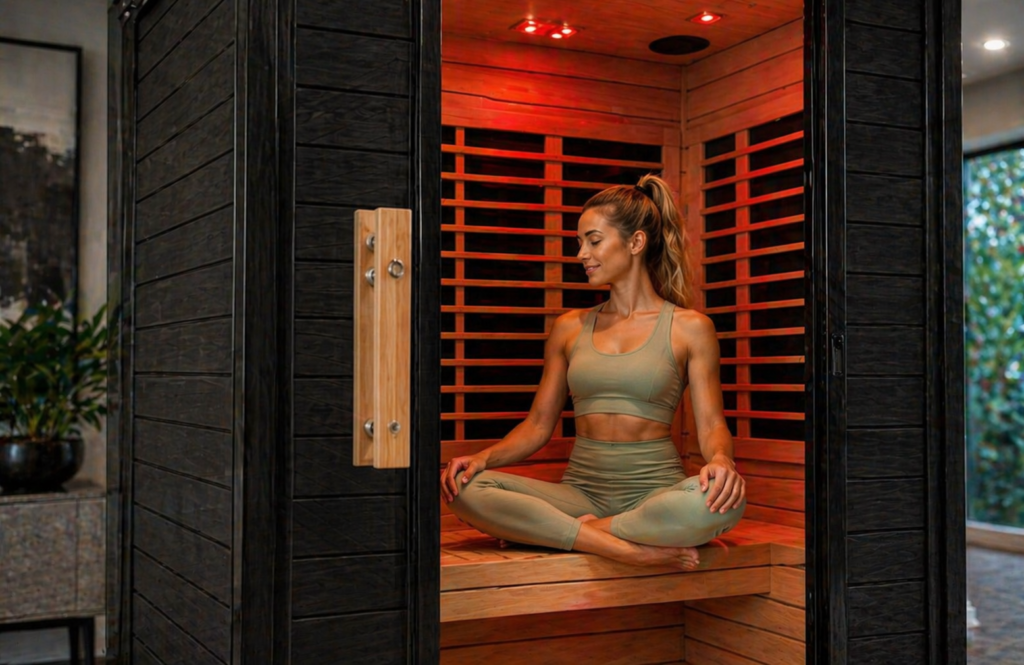
Why You’re Not Sweating in Your Infrared Sauna
There are several key reasons why you may not be sweating. In many cases, it’s a combination of factors rather than a single issue.
1. Low Power Output (Most Common Reason)
Most home infrared saunas operate on standard 120V outlets.
This limits how much heat they can generate compared to higher-power systems.
As a result:
- Heat builds more slowly
- The air doesn’t feel extremely hot
- Sweating response is delayed
👉 Learn the full breakdown here: /infrared-sauna-120v-vs-240v/
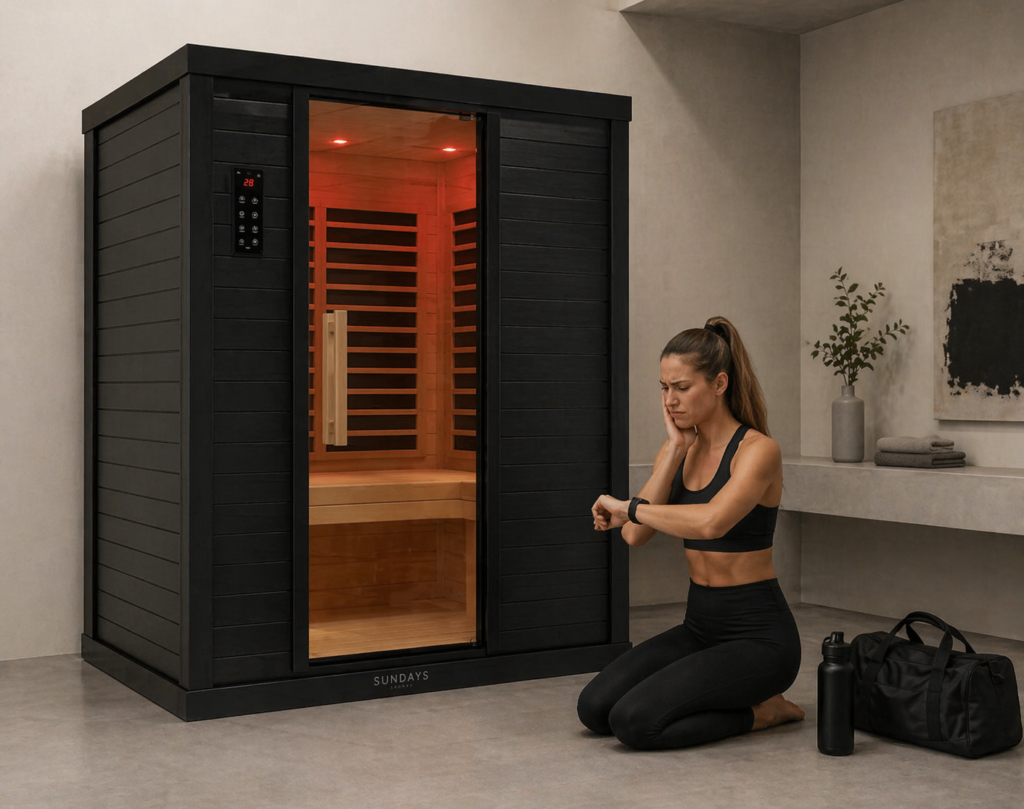
2. Infrared Heat Feels Different From Traditional Saunas
Infrared saunas do not heat the air in the same way traditional saunas do.
Instead, they:
- Heat your body directly
- Create a gradual warming effect
- Often feel less intense at first
This leads many users to think:
“It’s not hot enough”
Even when it’s working properly.
3. Your Body Needs Time to Adapt
Sweating is a biological response — not just temperature.
If you’re new to infrared saunas:
- Your circulation may need time to adjust
- Your sweat response may be slower
- Hydration levels play a big role
It’s normal for some users not to sweat much during the first few sessions.
4. Room Temperature and Heat Loss (Often Ignored)
Your sauna environment plays a bigger role than most people think.
If your sauna is placed in:
- A garage
- A basement
- A cold room
👉 Heat loss increases significantly.
This causes:
- Slower heating
- Lower internal temperature
- Reduced sweating
Poor sealing also makes a difference:
- Door gaps
- Weak insulation
- Loose panels
Even small leaks can prevent the sauna from reaching optimal heat levels.
👉 For best results, your sauna should be placed in a temperature-controlled indoor space with proper sealing.
5. Session Time Is Too Short
Many users simply don’t stay long enough.
Infrared saunas typically require:
👉 20–30 minutes
to fully activate sweating.
Leaving too early is one of the most common reasons for “no sweat.”
6. Temperature Settings Are Too Low
If your sauna is set below optimal range:
- Heat buildup is limited
- Sweat response is weaker
Recommended range:
👉 120°F – 140°F
Does It Mean Your Sauna Isn’t Working?
Not necessarily.
In most cases, your sauna is functioning correctly.
However, if you also notice:
- Weak heat
- Long warm-up time
- No sweating at all
Then the issue may be related to performance limitations.
👉 Read this for deeper insight:/infrared-sauna-not-getting-hot/
How to Increase Sweating in Your Sauna
If you want better results, here are practical steps:
✔ Stay Longer
Aim for at least 20–30 minutes
✔ Preheat Properly
Let the sauna reach full temperature before entering
✔ Stay Hydrated
Drink water before your session
✔ Adjust Temperature Gradually
Increase heat over time
✔ Optimize Your Environment
Use your sauna in a warm indoor space
When You Should Consider Upgrading
If you consistently experience:
- Weak heat
- Slow warm-up
- Little to no sweating
Your sauna may not meet your expectations.
Higher-output models typically:
- Heat faster
- Feel stronger
- Deliver better results
👉 Compare real performance here:/sun-home-saunas-vs-clearlight/
Final Thoughts
Not sweating in your infrared sauna is a common issue — and in most cases, it’s not a defect.
It usually comes down to:
- Power limitations
- Heating differences
- Setup conditions
Once you understand these factors, it becomes much easier to improve your experience.
CTA
👉 Before You Buy — Check This First
Don’t spend $3,000–$6,000 on a sauna that may not perform as expected in your home.
View Top 15A & 20A Sauna Options →(We may earn a commission at no extra cost to you.)
About Pure Recovery Lab
Pure Recovery Lab focuses on breaking down real performance factors behind recovery equipment — especially what most brands don’t explain clearly.
Transparency
This article may contain affiliate links. We may earn a commission at no extra cost to you.