
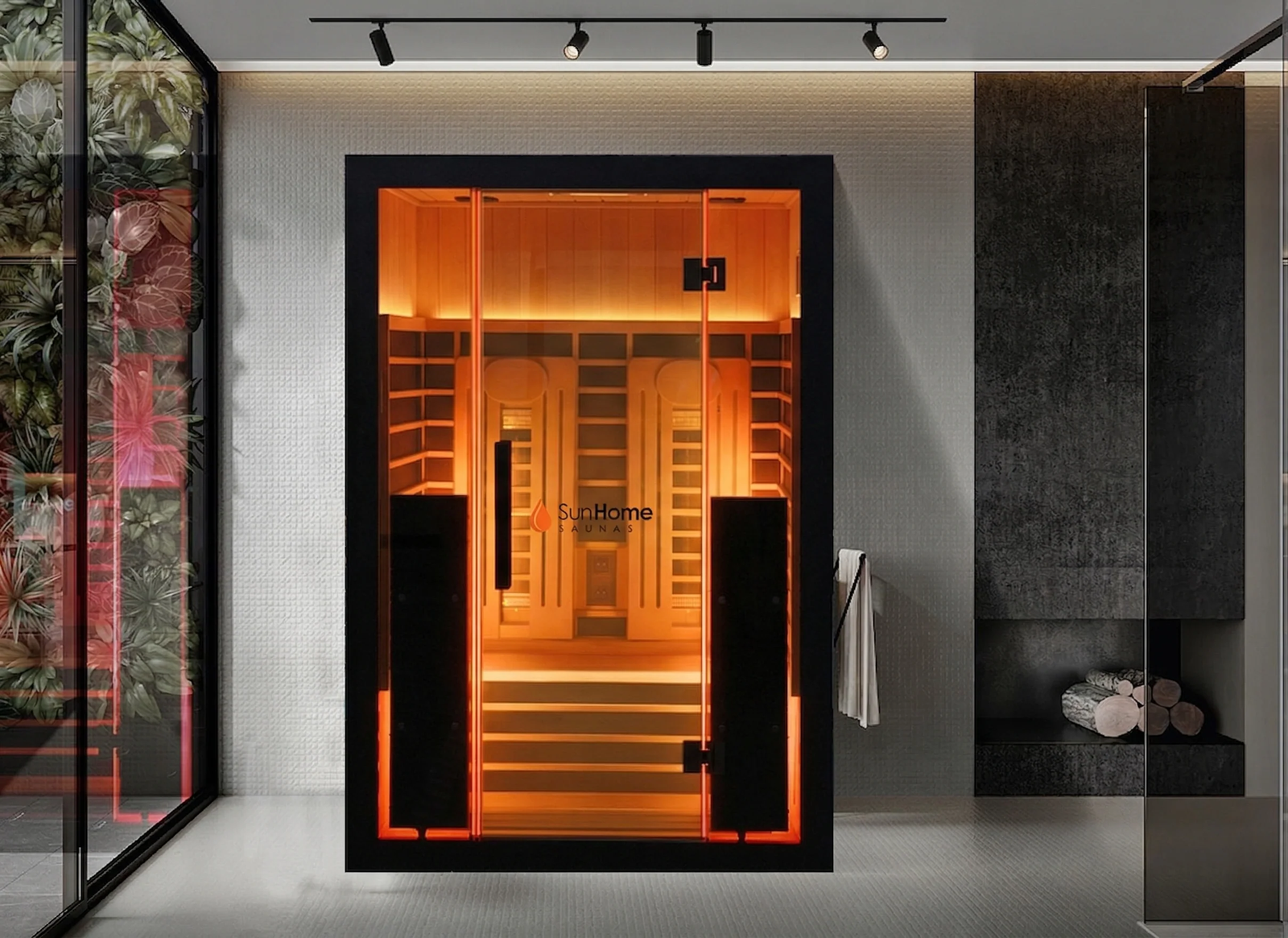
When comparing low EMF sauna vs regular infrared sauna, most buyers assume all infrared saunas are the same.
They’re not.
👉 The difference often comes down to internal design, wiring, and shielding
👉 And it directly impacts how the sauna is perceived in terms of safety and long-term use
This is where many buyers make the wrong decision.
🔍 Quick Verdict (TL;DR)
- 👉 Best for safety-conscious buyers: Low EMF Sauna
- 👉 Best for budget and basic use: Regular Infrared Sauna
- 👉 Best overall for long-term home use: Low EMF Sauna
👉 If you’re still exploring options, see our
best infrared saunas for home in 2026
⚖️ Key Differences at a Glance
When evaluating low EMF sauna vs regular infrared sauna, these differences matter most:
| Feature | Low EMF Sauna | Regular Infrared Sauna |
|---|---|---|
| EMF Exposure | Designed to reduce EMF | Varies widely |
| Internal Design | Shielded components | Standard wiring |
| Price | Higher | Lower |
| Target Users | Safety-focused buyers | Budget users |
| Consistency | More controlled | Less predictable |
🧾 Decision Summary
| If you want… | Choose |
|---|---|
| Lower EMF exposure | Low EMF Sauna |
| Lower upfront cost | Regular Infrared Sauna |
| Peace of mind for daily use | Low EMF Sauna |
| Basic sauna experience | Regular Infrared Sauna |
🧠 What “Low EMF” Actually Means
When comparing low EMF sauna vs regular infrared sauna, it’s important to understand:
👉 “Low EMF” is not a fixed standard.
Instead, it generally refers to design approaches intended to reduce electromagnetic field exposure through:
- Shielded wiring
- Component layout
- Engineering design
👉 In contrast, regular infrared saunas may not prioritize EMF reduction.
⚠️ Why EMF Matters to Some Buyers
For many users, EMF is not a concern.
But for others:
👉 It becomes a decision factor
Low EMF Sauna (Perception of Safety)
- Often marketed toward health-conscious users
- Designed with reduced exposure in mind
- Preferred for frequent or long sessions
👉 This is why many buyers actively search for
low EMF infrared sauna options
Regular Infrared Sauna
- More widely available
- Lower cost
- May vary significantly depending on manufacturer
👉 Not all models are the same — quality varies.
🔬 Practical Usage Differences
When comparing low EMF sauna vs regular infrared sauna, the real difference shows up in usage patterns:
Low EMF Sauna
- Typically used more consistently
- Appeals to long-term users
- Often chosen for daily routines
Regular Infrared Sauna
- More entry-level
- Suitable for occasional use
- Lower barrier to entry
💰 Cost vs Value
| Factor | Low EMF Sauna | Regular Infrared Sauna |
|---|---|---|
| Initial Cost | Higher | Lower |
| Long-term Use | Typically more frequent | Less consistent |
| Perceived Value | Higher for some users | Depends on usage |
👉 Value depends on how often you use it.
Low EMF Sauna vs Regular Infrared: Which One Should You Choose?
Choosing between low EMF sauna vs regular infrared sauna depends on priorities:
👉 Choose Low EMF Sauna if:
- You care about EMF exposure
- You plan to use it regularly
- You prefer higher build quality
- You want long-term consistency
👉 Choose Regular Infrared Sauna if:
- You are on a budget
- You want a basic sauna experience
- You plan occasional use
🔗 How This Compares to Traditional Saunas
If you’re still deciding between sauna types, you may also want to compare:
🏆 Best Low EMF Sauna Options (2026)
If you’re leaning toward low EMF models, here are commonly considered tiers:
👉 Premium Performance
→ Sun Home infrared sauna review
👉 Balanced Comfort & Brand
→ Sunlighten infrared sauna review
👉 Budget Entry Option
→ Dynamic infrared sauna review
👉 Or explore full options:
Best infrared saunas for home (2026 guide)
👤 About the Author
Tommy is the lead analyst behind Pure Recovery Lab, focusing on data-driven evaluation of recovery technologies.
His work emphasizes product transparency, usability, and long-term value.
🧾 Final Recommendation
Ultimately, comparing low EMF sauna vs regular infrared sauna is not just about EMF.
👉 It’s about confidence in long-term use
For many buyers:
👉 Low EMF models are often preferred when consistency and peace of mind matter.
⚠️ Transparency Note
All content is based on publicly available information, industry knowledge, and comparative analysis — not controlled laboratory testing.